The Mandate for Preventive Operations
An industrial water treatment system is a dynamic, physical environment heavily subjected to scaling, fouling, and mechanical fatigue. Unlike passive factory infrastructure, water recycling plants actively filter out concentrated debris. Without strict adherence to inspection routines and preventive maintenance, efficiency drops precipitously, eventually resulting in system downtime that could halt primary factory production.
It is important to distinguish general maintenance routines from site-specific engineering adjustments. The following information outlines standard practices, but operators must always defer to the specific documentation provided by the system integrators.
Core Inspection Routines
Daily and weekly walk-throughs remain critical even in highly automated systems:
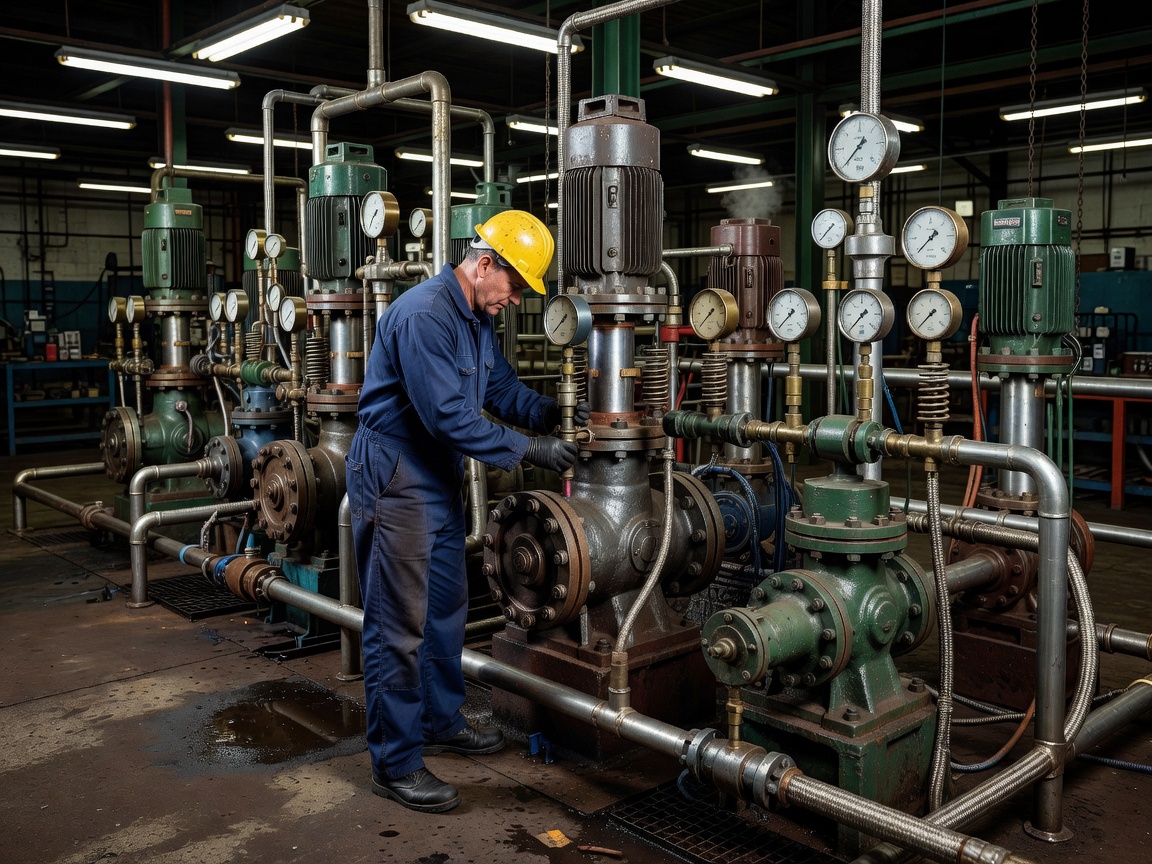
- Pump Checks: Inspecting high-pressure and transfer pumps for unusual vibrations, seal leaks, or abnormal motor heat.
- Filter Maintenance: Monitoring differential pressure across media filters and bag filters. A rising pressure differential indicates the filter is blinding and requires backwashing or replacement.
- Pipework Inspection: Visually checking dosing lines, valves, and junctions for micro-leaks or chemical crystallization.
Membrane Care and Cleaning
Reverse Osmosis and Ultrafiltration membranes represent a significant capital investment. Their care is paramount. Membrane fouling is inevitable, but its rate can be controlled through proper antiscalant dosing and timely Clean-In-Place (CIP) procedures.
CIP involves taking the membrane train offline and circulating specialized alkaline and acidic chemicals to dissolve biological films, metal oxides, and mineral scale. Proper membrane care directly impacts energy efficiency; a heavily fouled membrane forces the feed pumps to work much harder to push water through.
Data Review and Sensor Calibration
A system is only as reliable as its data. Inline sensors for pH, ORP, and conductivity drift over time. Regular sensor calibration against known buffer solutions is a non-negotiable requirement. Similarly, conducting weekly data reviews and alarm reviews helps engineers spot subtle creeping trends—like a slow increase in permeate conductivity—before they trigger critical shutdowns.
Troubleshooting and Documentation
When faults occur, effective troubleshooting relies heavily on prior documentation. Operators must log all chemical deliveries, filter changes, and CIP events. This historical data provides context when diagnosing sudden drops in flow or quality.
Equally critical is ongoing operator training. Facility personnel must thoroughly understand the mechanical limitations of the system, recognizing that manipulating a valve in the pretreatment stage cascades down the entire treatment train.